Source Lsr Diaphragm Dynamic Speaker Driver for Home, Stage, and Karaoke
Find 30 lsr diaphragm dynamic speaker driver options with varying power ratings and impedance. Compare specifications for home theatre, karaoke, and stage applications to select the right component for your audio project; compare the available evidence and request quotations based on your requirements.
Key considerations
Products List


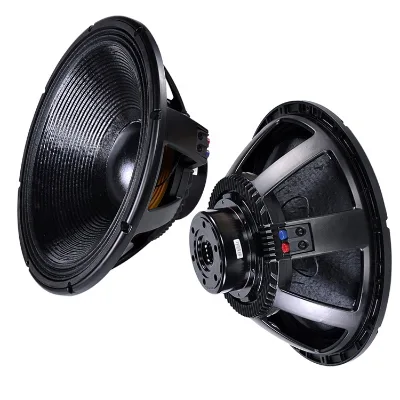
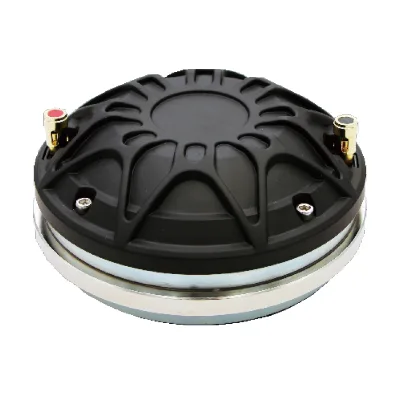


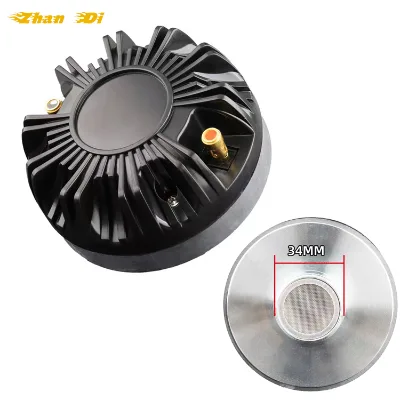
Comprehensive Sourcing Guide
lsr diaphragm dynamic speaker driver Sourcing Guide
Buyers evaluating lsr diaphragm dynamic speaker drivers must first distinguish between active and passive configurations, as the supplied data reveals a mix of both types in the current market. While some listings describe active floorstanding speakers with built-in amplification, others specify passive compression drivers designed for line array integration. This distinction fundamentally alters the system architecture, requiring the buyer to verify whether the driver includes internal electronics or relies on an external amplifier for operation.
The observed product range includes specific models like the Hscy F-44 and Hscy-2544A, which feature varying power handling capabilities from 70W to 240W. Procurement teams should prioritize models that align with their specific application needs, such as stage performances or outdoor weddings, rather than assuming all listed units share identical capabilities. Understanding the specific power rating and impedance of each unit is critical for ensuring compatibility with existing audio infrastructure and preventing potential system failures during high-load events.
Product Scope and Observed Listing Signals
The current market listings indicate a diverse scope of products ranging from portable floorstanding speakers to specialized compression drivers with titanium diaphragms. Buyers should note that while some units are marketed for general home theater use, others are explicitly designed for professional applications like bars and DJ stages. This variation suggests that the term "lsr diaphragm" may appear across different form factors, necessitating a careful review of the product structure and intended usage before placing an order.
Listing signals often highlight specific physical attributes such as throat diameters of 26mm or 34mm and voice coil sizes ranging from 44mm to 51mm. These dimensions are not merely cosmetic but directly influence the acoustic performance and thermal handling of the driver. Procurement specialists must cross-reference these physical specifications against their project requirements to ensure the selected driver can handle the required frequency range and power input without distortion or thermal compression.
Technical Specifications to Verify
Verification of the frequency response range is a primary technical step, as observed listings show variations from 1K-18kHz to 1K-20kHz. Buyers must confirm that the driver's bandwidth matches the intended audio source and system design, particularly for applications requiring high-frequency clarity in outdoor or large venue settings. Relying on a generic specification without checking the specific model's range can lead to suboptimal sound reproduction and a mismatch between the driver and the rest of the audio chain.
Impedance and sensitivity ratings also require strict validation, with observed values including 6ohm, 8ohm, and sensitivities between 105dB and 108dB. These parameters dictate how efficiently the driver converts electrical power into acoustic output and how it interacts with the amplifier's output stage. A mismatch in impedance can cause amplifier instability, while incorrect sensitivity assumptions may result in insufficient volume levels or the need for excessive gain, potentially introducing noise into the system.
Compliance and Safety Documentation
Safety documentation for high-power audio drivers often involves verifying thermal limits and mechanical integrity under continuous load conditions. While specific certification marks are not explicitly detailed in the provided facts, buyers should request test reports that confirm the driver can withstand its maximum power handling of up to 240W without failure. Ensuring that the magnet material and voice coil winding meet industry safety standards is essential to prevent overheating or mechanical breakdown during prolonged use in professional environments.
Electromagnetic compatibility and material safety are also critical areas for verification, especially when drivers are used in public spaces like weddings or bars. Buyers should inquire about the composition of the diaphragm and magnet materials to ensure they do not contain hazardous substances that might violate local environmental regulations. Although the origin is listed as China, specific compliance with destination market standards must be confirmed through supplier-provided documentation rather than assumed based on general product descriptions.
Cost Drivers and Commercial Terms
The cost of lsr diaphragm dynamic speaker drivers is heavily influenced by the complexity of the enclosure and the quality of internal components like the ferrite magnet and titanium diaphragm. Listings show a wide price range from 0.4 to 165 USD, reflecting differences in power handling, build materials, and customization options. Buyers must analyze whether the lower price points correspond to basic passive units or if they include advanced features like touch control and active amplification, as these factors significantly impact the total cost of ownership.
Commercial terms such as minimum order quantity and lead times vary widely, with observed MOQs ranging from 1 to 3000 units. Procurement teams should negotiate based on their specific volume requirements, as bulk orders may unlock better pricing tiers or customization capabilities. It is also vital to clarify packaging details, as weights ranging from 1.3kg to 2.5kg per unit will affect shipping costs and logistics planning, particularly for international orders where freight charges can become a significant portion of the total budget.
Supplier Qualification and Quality Control
Supplier qualification should focus on their ability to provide consistent quality control for specialized components like voice coils and diaphragms. Given the observed variation in specifications across different models, buyers must ensure the supplier has robust testing protocols to maintain consistency in sensitivity and impedance ratings. Requesting samples for independent testing is a prudent step to verify that the actual performance matches the listed specifications before committing to a large-scale purchase.
Quality control processes should also address the durability of the driver in demanding environments, such as outdoor activities or high-volume stage performances. Buyers should ask for evidence of stress testing, particularly regarding the thermal handling of the voice coil and the structural integrity of the metal speaker material. Establishing a clear quality agreement with the supplier that defines acceptable tolerances for key parameters will help mitigate the risk of receiving units that fail to meet the project's acoustic and operational requirements.
Long-Term Procurement Checks
Long-term procurement strategies must account for the availability of replacement parts and the consistency of future production runs. Since the observed product line includes specific model numbers like Hscy-44A and Hscy-T-100n-X, buyers should verify that the supplier can maintain these specifications over time to ensure system compatibility. Sudden changes in component sourcing, such as switching magnet materials or diaphragm types, could alter the acoustic signature and performance characteristics of the drivers.
Regular performance audits are essential to monitor the longevity of the drivers in real-world applications. Buyers should establish a feedback loop with their end-users to track any issues related to power handling or frequency response degradation over time. By maintaining a detailed record of field performance and comparing it against initial specifications, procurement teams can identify potential quality drifts early and work with the supplier to implement corrective measures before they impact the overall system reliability.
FAQs
What is the nominal power handling for these drivers?
The nominal power handling varies by model, ranging from 70W to 120W. Specific units like the Hscy F-44 handle 70W, while the Hscy-T-100n-X supports 120W. This rating indicates the continuous power the driver can manage safely during operation.
Which frequency range do these dynamic drivers cover?
These drivers typically cover a frequency range from 1kHz up to 20kHz depending on the specific model. For instance, the Hscy F-44 operates between 1kHz and 19kHz, whereas the Hscy-T-100n-X extends to 20kHz. This range suits various professional audio applications effectively.
Can I find these drivers with custom packaging options?
Yes, customization is available for these products including specific packaging requirements. The standard packing weight varies from 1.3kg to 2.5kg across different models. Buyers can request tailored solutions to meet their specific logistical or branding needs during the procurement process.
What is the impedance rating for the Hscy-2544A model?
The Hscy-2544A model features an impedance rating of 8 ohms. This specification ensures compatibility with standard amplification systems designed for this load. It is distinct from other models like the Hscy F-44 which operates at 6 ohms for different system configurations.
How large is the magnet diameter for these drivers?
The magnet diameter varies by model, with sizes ranging from 120mm to 135mm. The Hscy F-44 uses a 120mm ferrite magnet, while the Hscy-T-100n-X utilizes a larger 135mm ferrite ring. These dimensions contribute significantly to the magnetic field strength and overall performance.
What material is used for the voice coil in these units?
The voice coil diameter varies, with options including 44mm and 51mm sizes. Some models feature titanium diaphragms for the winding material to enhance durability and sound quality. These materials are selected to ensure high sensitivity and efficient power handling in professional audio environments.
Where are these speaker drivers manufactured and sourced from?
These speaker drivers are manufactured and sourced from China. The production origin is explicitly listed as China for the various models including the Hscy series. This location serves as the primary hub for the supply chain and distribution of these specific audio components.